Bloodhound Design Review: Realistic Stitching for Custom Projects
As a designer who has spent countless hours digitizing and testing machine embroidery designs, I have learned that not every animal motif translates well to thread. Some look cartoonish when they should be dignified, while others lose their defining features in a mess of dense fill stitches. When I first loaded the Bloodhound embroidery file into my software, I was looking for clarity, character, and practical usability. This design promises a realistic representation of the magnificent scent hound, and after putting it through its paces on various fabrics and hoop sizes, I am ready to share how it performs in real-world applications.
First Impressions and Visual Personality
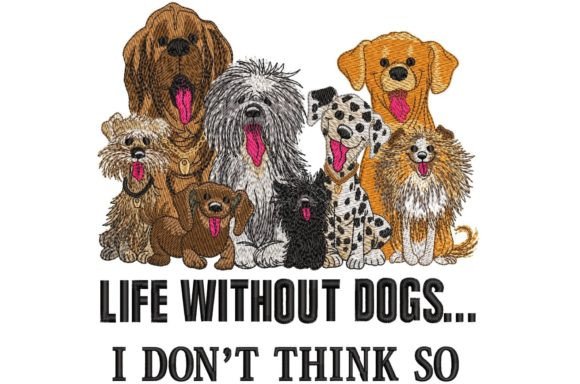
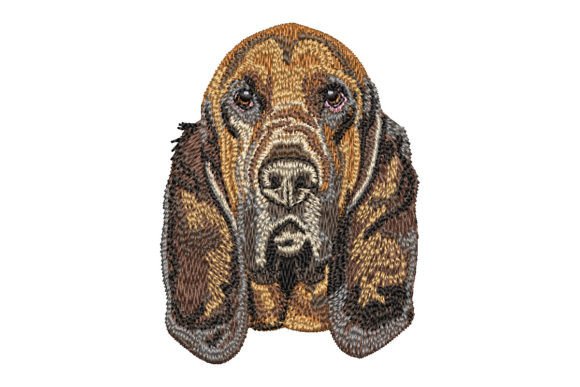
The immediate appeal of this Bloodhound design lies in its balanced approach to realism. It avoids the trap of being overly photographic, which often results in excessive stitch counts and long run times, yet it retains enough detail to capture the breed’s soulful expression and distinctive droopy ears. The layout feels organic, making it suitable for both centered placements on apparel and angled positions on accessories.
For those of us in the craft business, visual personality is everything. This design exudes a calm, loyal demeanor that resonates with dog lovers. It does not scream for attention with neon colors or chaotic shapes; instead, it relies on strong silhouette definition and thoughtful shading. This makes it an excellent candidate for boutique branding where subtlety and quality are valued over flashiness.
Real-World Application: The Custom Tote Bag Test
To truly evaluate a design, you must stitch it out. I chose to test this Bloodhound pattern on a heavy canvas tote bag, a popular item for Etsy sellers and small shop owners. Canvas presents a unique challenge due to its textured weave, which can sometimes distort fine details. I used a medium-weight cut-away stabilizer to ensure the fabric remained taut during stitching.
The result was impressive. The fill stitches laid flat without puckering, and the outline stitches provided crisp definition against the rough texture of the canvas. The design’s scale was perfect for a standard 5x7 hoop, allowing for a prominent display without overwhelming the bag’s surface. This success suggests that the design is robust enough for durable goods like aprons, pillow covers, and even embroidered patches intended for frequent washing.
Versatility Across Product Lines
Beyond tote bags, this design shows promise across a wide range of handmade products. For custom apparel, such as sweatshirt embroidery, the design holds up well on fleece and cotton blends. The stitch density appears moderate, preventing the garment from becoming stiff or heavy. For baby embroidery projects, such as onesies or nursery decor, the gentle expression of the hound adds a touch of warmth and comfort, though I would recommend scaling it down slightly to fit smaller hoops.
Holiday embroidery is another strong use case. Imagine this design stitched onto a kitchen towel or a festive pillow cover during the autumn months. The earthy tones typically associated with Bloodhounds blend seamlessly with seasonal palettes, making it a versatile asset for holiday gift collections. For digital product sellers, creating printable mockups with this design can significantly enhance buyer engagement by showing the artwork in context.
Technical Considerations for Embroidery Designers
While the Bloodhound design is high-quality, there are specific scenarios where caution is required. Understanding these limitations is crucial for maintaining professionalism and customer trust.
- Fabric Texture and Type: On highly textured fabrics like terry cloth or thick wool, some of the finer facial details might get lost. In these cases, increasing the contrast between thread colors and fabric background is essential.
- Stretchy Materials: When applying this design to stretchy fabrics like jersey knits for t-shirts, always use a proper stabilizer. Without it, the fill stitches may cause the fabric to gather or distort around the edges.
- Dark Fabrics: If stitching on black or navy garments, consider using an underlay stitch or a lighter thread color for the outline to ensure the design pops. Testing in black and white mockups beforehand can help visualize contrast issues.
- Curved Surfaces: For caps and hats, the large size of the breed’s head requires careful placement. Ensure the design fits within the curved area of the cap without distorting the eyes or nose. A smaller version of the design might be more appropriate for headwear.
Enhancing Brand Consistency and Value
For commercial embroidery projects, consistency is key. This Bloodhound design offers a level of polish that elevates the perceived value of the finished product. Customers are more likely to trust a handmade product that exhibits clean stitching and professional presentation. By using a design that captures the true essence of the dog, you appeal to knowledgeable owners who appreciate accuracy.
Furthermore, the versatility of this digital embroidery file allows for creative experimentation. You can adjust thread colors to match specific brand aesthetics or seasonal trends. Whether you prefer realistic browns and blacks or a whimsical palette for a children’s item, the design structure supports various colorways without losing its integrity.
Practical Designer Notes
Before integrating this design into your inventory or client projects, follow these practical steps to ensure optimal results:
- Test on Scrap Fabric: Always stitch a sample on the same type of fabric you intend to use for the final product. This helps identify any tension issues or density problems.
- Check Stitch Density: Review the design in your embroidery software. If certain areas appear too dense, consider adjusting the settings to reduce thread usage and prevent fabric stiffness.
- Confirm Hoop Size: Ensure the design fits comfortably within your machine’s hoop dimensions, leaving adequate margin for stabilization.
- Inspect Small Details: Zoom in on the eyes and nose in the preview. These areas define the character of the Bloodhound and must be clear and distinct.
- Verify Licensing: Before selling finished items or digital assets, confirm the license terms associated with the design. Most commercial embroidery files allow for physical sales but restrict the resale of the digital file itself.
In conclusion, the Bloodhound embroidery design is a solid addition to any designer’s library. It balances artistic realism with technical practicality, making it suitable for a wide array of applications from custom apparel to home decor. By understanding its strengths and limitations, you can leverage this design to create high-quality, engaging products that resonate with customers and enhance your brand’s reputation in the competitive world of handmade goods.