Moon Ocean Embroidery: A Designer’s Practical Review
As an embroidery designer who has spent years translating digital concepts into tangible threads, I approach every new machine embroidery design with a mix of curiosity and caution. We all know that what looks perfect on a screen does not always translate seamlessly to fabric. Recently, I evaluated the Moon Ocean design to determine its viability for real-world projects. This is not just a visual assessment; it is a practical breakdown of how this whimsical piece performs under the needle, specifically for those of us running craft businesses or creating high-quality handmade products.
First Impressions: Whimsy Meets Structure
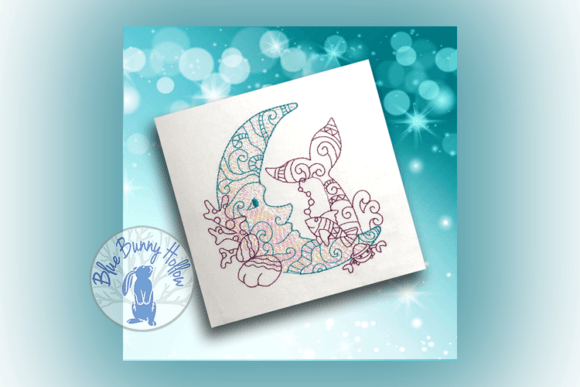
The first thing that strikes you about Moon Ocean is its narrative charm. The central motif—a Mylar-style moon with a welcoming face—immediately sets a playful yet sophisticated tone. It is not merely cute; it possesses a distinct personality that appeals to both children and adults who appreciate quirky aesthetics. Surrounding the moon are themed objects that evoke a sense of underwater wonder, bridging the gap between celestial and aquatic themes. For an embroidery project, this thematic blend offers unique versatility.
From a layout perspective, the composition feels balanced. The elements are spaced in a way that suggests careful consideration of stitch flow. As a reviewer, I look for designs that avoid unnecessary complexity while maintaining visual interest. Moon Ocean achieves this by using clear shapes and defined outlines. However, the true test lies in the stitching execution. Does the design rely too heavily on dense fills, or does it utilize smart stitch types to maintain fabric integrity?
Real-World Application: From Tote Bags to Nursery Decor
To truly understand the value of an embroidery file, you must imagine it on actual products. I visualized Moon Ocean on several items to gauge its commercial potential. For a tote bag design, the whimsical nature of the moon fits perfectly with the current trend of eco-friendly, character-driven accessories. The design’s scale appears suitable for a standard hoop, making it an ideal candidate for canvas totes where durability and visual impact are key.
I also considered its application in sweatshirt embroidery. Here, the texture of the fleece becomes a factor. The welcoming face of the moon requires crisp detailing to remain expressive. If the stitch density is too low, the features might get lost in the pile of the fabric. Conversely, if it is too dense, it could cause puckering. In my assessment, this design seems best suited for medium-weight fabrics where the stitches can sit prominently without sinking in.
For baby embroidery projects, such as onesies or burp cloths, the soft, rounded lines of the moon are advantageous. Sharp corners can sometimes feel harsh on infant items, but the organic curves here create a gentle aesthetic. However, one must be cautious with the smaller surrounding objects. On tiny garments, these details need to remain legible. This is where checking the minimum stitch length and detail resolution becomes critical before committing to a production run.
Technical Considerations for the Serious Crafter
When integrating Moon Ocean into your workflow, technical preparation is non-negotiable. Regardless of whether you are an Etsy seller or a hobbyist, you must address the following variables:
- Fabric Texture: The design’s clarity depends on the surface. Smooth cotton or poly-blends will showcase the satin and fill stitches best. Highly textured linens may obscure finer details.
- Stabilizer Selection: Given the potential for varied stitch densities, using the correct stabilizer is vital. A cut-away stabilizer is recommended for stretchy fabrics like t-shirts to prevent distortion, while a tear-away might suffice for stable woven fabrics like aprons or pillow covers.
- Thread Colors: The "Mylar" effect of the moon suggests a need for metallic or high-sheen threads. However, metallic threads can be tricky. I advise testing with a high-quality rayon or polyester thread in a light gray or silver first to ensure the machine handles the stitch path smoothly before switching to more delicate metallic options.
- Hoop Size: Always confirm the required hoop size for the specific file version you purchase. While the design appears compact, ensuring it fits within your machine’s maximum area is essential for proper positioning.
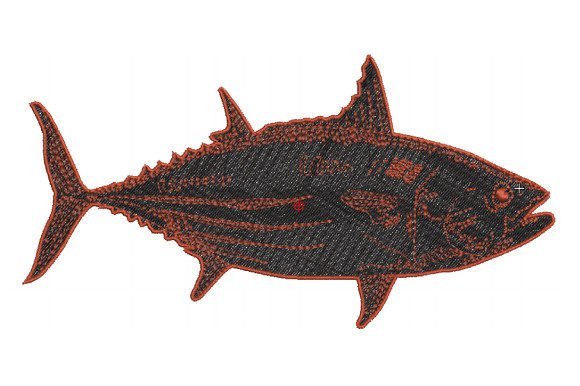
It is also worth noting the category association with Fish. While the primary focus is the moon, the surrounding elements likely include aquatic motifs. This makes the design particularly strong for themed collections, such as summer wear or ocean-inspired nursery decor. Ensuring that these secondary elements do not clutter the primary focal point is key to maintaining professional presentation.
Navigating Challenges: Where to Use Caution
No design is universal, and Moon Ocean has its limitations. I would exercise caution when applying it to dark fabrics unless you are confident in your ability to manage thread contrast. Light-colored threads on dark fabric can sometimes show the underlying material through the stitches if the density is not sufficient. Additionally, curved surfaces like caps present a challenge. The distortion inherent in cap embroidery can warp the facial features of the moon. If you plan to use this for headwear, consider resizing the design slightly smaller and using a stiff buckram stabilizer to maintain shape.
Another area of concern is washability. Items like kitchen towels or baby clothes undergo frequent laundering. Ensure that the stitch connections are secure and that the thread quality is high to prevent fraying or color bleeding. A well-digitized design should minimize jump stitches, which can snag during washing, but a final trim and inspection are always necessary for a polished finished product.
Commercial Viability and Brand Consistency
For small business owners, the appeal of Moon Ocean lies in its giftability. It evokes emotion, which drives sales. Whether used for holiday embroidery gifts or as part of a boutique’s seasonal lineup, the design stands out. It avoids the generic look of mass-produced prints, offering the handmade authenticity that customers crave. When creating printable mockups or digital previews for your shop, ensure the lighting highlights the texture of the stitches. This transparency builds trust with buyers who want to know exactly what they are purchasing.
Before selling any items featuring this design, you must verify the license terms. Most digital embroidery files come with specific conditions regarding commercial use. Some allow unlimited sales of physical items, while others may restrict digital redistribution. Always read the fine print to protect your craft business from legal issues.
Final Verdict: A Thoughtful Addition to Your Library
In conclusion, Moon Ocean is a compelling choice for designers looking to add a touch of whimsy to their portfolio. It balances artistic charm with technical feasibility, provided you respect the material constraints. By testing on scrap fabric, adjusting tension, and selecting appropriate threads, you can elevate this design from a simple pattern to a standout feature on apparel, home decor, or accessories. It is a reminder that successful embroidery is not just about the image, but about the thoughtful execution of every stitch. For those ready to expand their design assets with something unique and engaging, this piece deserves a spot in your hoop.