Mylar Butterflies: A Designer’s Review for Craft Fair Success
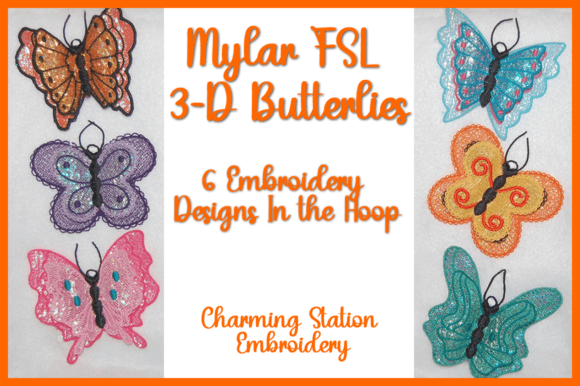
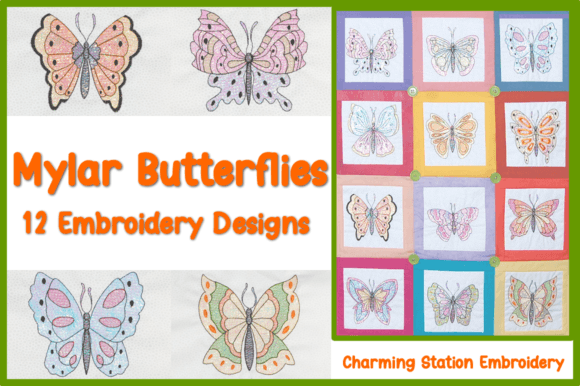
As an embroidery designer who has spent countless weekends behind a booth table, I know that the difference between a browsing customer and a buying customer often comes down to visual impact. When I first pulled up the Mylar Butterflies set, my immediate thought was not just about stitch quality, but about marketability. This collection features twelve lovely butterflies optimized specifically for use with Mylar, a material choice that instantly elevates the perceived value of any handmade product. For those of us in the business of creating craft fair products, finding designs that pop under fluorescent tent lights or natural outdoor sun is crucial.
First Impressions and Aesthetic Appeal
The aesthetic of Mylar Butterflies leans toward a blend of modern elegance and whimsical charm. While many Bugs categories in Embroidery libraries focus on realistic or cartoonish styles, these designs feel decorative and premium. The optimization for Mylar suggests a shiny, reflective quality that catches the eye. In a crowded marketplace, shine sells. It draws attention from three feet away, which is essential for stopping foot traffic. These are not just cute; they have a festive, almost magical quality that works beautifully for gift-oriented shoppers.
Because there are twelve unique designs in this set, the versatility is high. You are not limited to a single motif. This variety allows for cohesive yet diverse product lines. You can create a themed collection where each item features a different butterfly, encouraging customers to collect them all. This strategy works exceptionally well for Etsy seller shops looking to increase average order value through bundling.
Product Applications for Maximum Sales
When planning my booth inventory, I always look for items that are quick to produce but look expensive. Here is how I see Mylar Butterflies performing across various mediums:
- Tote Bags and Market Bags: A large butterfly centered on a canvas tote creates an instant statement piece. The tote bag design potential here is huge because the Mylar adds a tactile element that plain thread cannot achieve.
- Aprons and Tea Towels: For kitchenware, placement is key. A smaller butterfly on the pocket of an apron or the corner of a tea towel embroidery project adds a delicate touch without overwhelming the utility of the item. However, be mindful of the fabric texture. Thick terry cloth may require adjustments to ensure the Mylar lays flat.
- Sweatshirts and Apparel: The product description notes these are beautifully used individually on a sweatshirt. This is a strong selling point. A single, well-placed butterfly on the chest or back of a high-quality blank creates a boutique-level small shop product that can command a higher price point.
- Quilts and Home Decor: With twelve designs, creating a lap or bed quilt is a natural fit. This appeals to customers looking for heirloom-quality gifts. Additionally, these designs would make stunning embroidered patch options if digitized or printed onto stabilizer for iron-on applications.
Production Practicality and Batch Efficiency
For the busy creative entrepreneur, time is money. One of the strongest aspects of this digital embroidery file set is its repeatability. Since the designs are optimized for Mylar, they likely have clean paths that minimize thread breaks and jumps. This is vital for batch production. If you are preparing fifty tote bags for a holiday market, you need a machine embroidery design that runs smoothly without constant intervention.
Photography is another critical factor. Mylar reflects light, which can be tricky to capture but incredibly rewarding when done right. These designs will photograph beautifully for online listings, especially if you use natural lighting to highlight the shimmer. Creating a printable mockup or using digital design assets to preview the colors before stitching can save significant material waste.
Careful-Use Notes for Professional Results
While the potential is high, there are technical considerations to keep in mind. Mylar is delicate. If the stitch density is too high, it can tear or pucker. Always check the design settings in your software. If you are working with dark fabric, ensure the thread colors provide enough contrast, or consider using a lighter backing to make the Mylar pop.
Curved surfaces, such as caps, require extra attention. The stiffness of Mylar might not conform well to tight curves unless the design is small and the stabilizer is robust. For textured towels, ensure the needle is sharp enough to penetrate without dragging the Mylar. Tiny details should be reviewed closely; if the design includes very small elements, they may get lost in the bulk of the Mylar material.
Enhancing Brand Consistency and Visual Appeal
Using a cohesive set like Mylar Butterflies helps build brand recognition. If customers see your distinctive shiny butterfly motifs across different products—from pillows to pouches—they begin to associate that specific look with your brand. This consistency strengthens your booth display and makes your table look curated rather than cluttered.
The visual appeal of these designs directly impacts buyer engagement. Shoppers love to touch items that feel different. The smooth, cool surface of Mylar against soft cotton or denim creates a sensory experience that encourages handling, and handling often leads to purchasing. This is a subtle but powerful psychological trigger in commercial embroidery sales.
Designer’s Checklist Before Production
Before you commit to stitching out a full run of products, follow these practical steps:
- Test on Scrap Fabric: Never skip this step. Test the design on the exact fabric weight you plan to sell. Check for puckering or Mylar tearing.
- Check Thread Contrast: Ensure your thread colors complement the Mylar rather than competing with it. Metallic threads can sometimes clash, so stick to matte or semi-matte threads for balance.
- Review Spacing and Hoop Size: Confirm that the design fits comfortably within your hoop size without hitting the edges. Leave enough margin for re-hooping if necessary.
- Inspect Stitch Density: Look at the color change sequence. Too many stops can slow down production. Adjust if needed for efficiency.
- Use the Right Stabilizer: Mylar often benefits from a cut-away stabilizer for durability, especially on items that will be washed frequently like sweatshirts or tote bags.
- Create Real Mockups: Stitch one sample on each product type you intend to sell. Photograph these for your Etsy listings and social media.
- Confirm Licensing: Always verify the license terms included with the digital embroidery file. Ensure you have commercial rights to sell the finished product created with these designs.
In conclusion, Mylar Butterflies is a versatile and visually striking addition to any embroidery designer’s library. It bridges the gap between simple craft and premium handmade art. By understanding the material constraints and leveraging the visual shine of Mylar, you can create standout products that resonate with customers at craft fairs and online markets alike. Whether you are making a single gift or stocking a full booth, these twelve designs offer the flexibility and flair needed to succeed in the competitive world of handmade goods.