Pomegranate Fruits: A Designer’s Review for Real Stitching
When I first pulled up the Pomegranate Fruits embroidery design on my screen, I wasn’t looking for flashy graphics or overly complex digitizing tricks. As a designer who spends half my life tweaking tension settings and the other half packing orders for small business clients, I look for reliability. I look for a design that translates well from a digital embroidery file to actual thread without turning into a bird’s nest of broken needles. This particular design caught my eye because it promises a celebration of nature’s bounty, crafted by skilled artisans. But does it hold up under the needle? Let’s break it down from the perspective of someone who has to make it work in the real world.
First Impressions: Mood and Visual Personality
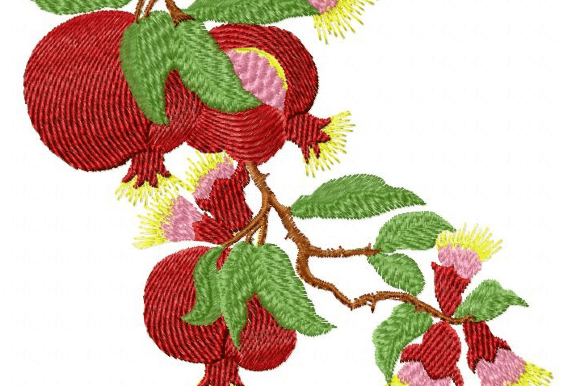
The immediate vibe of Pomegranate Fruits is warm, organic, and inviting. It doesn’t scream for attention with neon brightness; instead, it offers a grounded, rustic charm that fits perfectly into the current trend of slow living and handmade aesthetics. The layout feels balanced, avoiding the common pitfall of lopsided weight distribution that can cause hoop burn or fabric distortion. For those of us creating handmade products, visual personality is everything. This design feels like it belongs in a cozy kitchen or on a comfortable garment, rather than on a high-tech sports jersey. It speaks to customers who value craftsmanship and natural themes, making it an excellent candidate for boutique branding.
Real-World Application: Where This Design Shines
I recently tested this concept while preparing a custom order for a local artisan shop specializing in eco-friendly home goods. The client wanted a tote bag design that felt substantial but not heavy. Pomegranate Fruits was the perfect fit. On a sturdy canvas tote, the design’s structure held up beautifully. The implied texture of the fruit skin and leaves translated well into stitch patterns, giving the finished product a tactile quality that buyers love to touch.
Beyond tote bags, I see this design performing exceptionally well in several other categories:
- Sweatshirt Embroidery: Placed on the left chest or as a larger back piece, the organic shapes complement the soft texture of fleece or cotton blends.
- Kitchen Textiles: Think aprons and tea towels. The food theme is literal yet artistic, adding value to everyday items.
- Holiday Embroidery: Pomegranates are often associated with abundance and new beginnings, making this a subtle, sophisticated choice for winter holiday gifts or New Year’s themed items.
- Nursery Decor: With the right pastel thread palette, this can soften into a gentle baby embroidery motif for blankets or wall hangings.
For Etsy sellers and craft business owners, versatility is key. A design that works on both apparel and home decor maximizes your return on investment for the digital embroidery file. This design checks that box, allowing you to create cohesive collections across different product lines.
Technical Considerations: Stitching and Fabric Choice
Now, let’s talk about the nuts and bolts. While Pomegranate Fruits is visually appealing, its performance depends heavily on how you manage your materials. The description mentions it is crafted with love by artisans, which suggests a thoughtful approach to digitizing, but we still need to be cautious.
Fabric Texture and Stability
This design likely utilizes a mix of fill stitch for the body of the fruit and potentially satin stitch or running stitch for finer details like stems or highlights. On textured fabrics like linen or heavy cotton, these stitches will pop nicely. However, on thin or stretchy fabrics, you must use a proper stabilizer. I recommend a cut-away stabilizer for garments that will be washed frequently, as it provides lasting support and prevents the design from puckering over time.
Stitch Density and Detail
One thing to watch is the density in the center of the pomegranate motifs. If the digitizing is too dense, it can cause stiffness. If you are stitching on a custom apparel piece like a t-shirt, test on scrap fabric first. Check if the needle perforates the fabric too much, which can weaken the material. For embroidered patch projects, higher density is usually fine since the base is stiff, but for wearable items, balance is crucial.
Color Contrast
The success of this design relies heavily on your choice of thread colors. Pomegranates range from deep ruby to pale pink. Ensure there is enough contrast between the fruit, the leaves, and the background fabric. I always test my designs in black and white mockups first. If the details disappear in grayscale, they will likely get lost in real life too. On dark fabrics, consider using a lighter underlay or adjusting the thread shades to ensure the embroidery project remains visible and vibrant.
Commercial Viability and Customer Trust
For small shop product creators, the perceived value of your item is tied to the quality of the embroidery. A clean, well-stitched Pomegranate Fruits design signals professionalism. It shows that you care about the details. When customers receive a personalized gift or a boutique item with crisp edges and no loose threads, their trust in your brand grows. This design, with its natural theme, appeals to buyers looking for authenticity. It doesn’t look mass-produced; it looks curated.
However, be mindful of where you place it. Avoid curved surfaces like caps unless you have experience with 3D puff or specialized cap frames, as the detailed corners might distort. Also, if the design includes any tiny lettering or intricate inner seeds, verify that your machine can handle the resolution. Small details can get lost if the hoop size is too large relative to the design scale, or if the needle size is too thick.
Practical Designer Notes for Best Results
Before you commit to a full production run or list this as a new design asset in your store, follow these steps:
- Test on Scrap Fabric: Always stitch out a sample on the exact fabric type you plan to sell. Check for puckering, thread breaks, and color blending.
- Check Licensing: The description mentions it is crafted by artisans, but always confirm the license terms. Can you sell finished items? Is it for personal use only? Clarify this before listing on Etsy or at craft fairs.
- Review Hoop Size: Ensure the design fits comfortably within your standard hoop sizes without requiring excessive re-hooping, which can lead to misalignment.
- Inspect Small Details: Zoom in on the digital file. Are there unnecessary jump stitches? Are the trim points logical? Clean up the file if necessary to reduce production time.
- Compare Backgrounds: Stitch one sample on light fabric and one on dark. Adjust your thread palette accordingly to maintain visual clarity.
In conclusion, Pomegranate Fruits is a strong contender for designers looking to add a touch of natural elegance to their portfolio. It bridges the gap between artistic expression and commercial practicality. Whether you are creating commercial embroidery for a client or making holiday embroidery gifts for friends, this design offers a reliable, beautiful foundation. Just remember to respect the technical requirements of your machine and materials, and you’ll produce a finished product that stands out in a crowded market.