Reviewing Multi Heart Border for Craft Fair Success
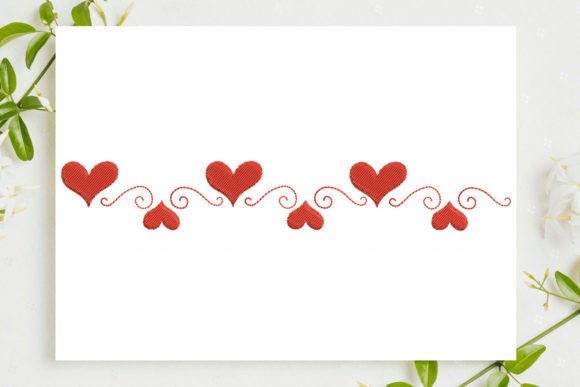
As an embroidery designer who has spent countless weekends behind a booth table, I know that the difference between a browsing customer and a buying customer often comes down to visual impact. When I first loaded the Multi Heart Border into my digitizing software, my immediate impression was one of approachable charm. This is not a design trying to be overly complex or intimidatingly artistic. Instead, it feels sweet, modern, and incredibly versatile. For those of us running a small shop product line or managing an Etsy seller account, finding designs that bridge the gap between "cute" and "professional" is essential. This border design hits that sweet spot, offering a decorative element that enhances rather than overwhelms the base fabric.
First Impressions and Visual Appeal
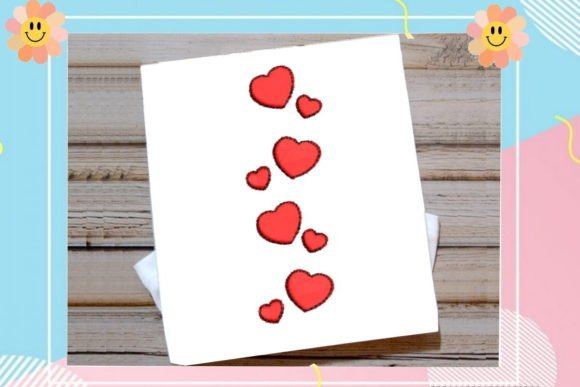
The title itself, Multi Heart Border, suggests a repetitive, linear pattern, which is exactly what you want for edging items. In the context of Borders and Embroidery, this design stands out because it feels contemporary. It avoids the cluttered look of vintage sampler styles and leans into a cleaner, more minimalist aesthetic. When viewed on screen, the lines appear smooth, suggesting that the digitizer paid attention to flow. For a craft fair product, clarity is key. Customers walking past your table have seconds to decide if something catches their eye. A clean, recognizable heart motif arranged in a border format is instantly understandable. It communicates love, care, and handmade quality without needing a lengthy explanation.
Strategic Product Applications
To maximize sales, you must place the right design on the right item. I evaluated where this machine embroidery design would perform best in a real-world market setting. Here is how it translates across various handmade products:
- Tote Bag Design: This is perhaps the strongest candidate. Placing the border along the bottom hem or the top edge of a canvas tote creates a framed look that elevates a basic bag into a boutique item. It adds value without requiring full-coverage stitching, which saves time and thread.
- Apron Embroidery: An apron with a heart border along the bib or the pocket edge feels personal and giftable. It appeals to customers looking for housewarming gifts or presents for home cooks.
- Tea Towel Embroidery: Kitchen linens are staple sellers. However, you must be cautious with fabric texture. A smooth cotton towel will showcase the design better than a thick, textured waffle weave, which might obscure smaller details.
- Embroidered Patch: If you create iron-on or sew-on patches, this border works beautifully as a standalone element. It can frame a name or remain empty for a subtle accent on denim jackets or backpacks.
- Pillow Covers and Home Decor: Running the design along the seam of a pillow cover adds a custom touch that mass-produced items lack. It signals high-end handmade quality.
Production Practicality for Small Shops
For creative entrepreneurs and digital sellers, time is money. One of the biggest advantages of a border design like Multi Heart Border is its repeatability. Unlike a large central motif that requires precise centering and often larger hoop size constraints, a border can be adjusted. You can run it once for a subtle accent or repeat it for a bolder statement. This flexibility makes it ideal for batch production. If you are preparing for a weekend craft fair, being able to produce ten identical tote bags quickly is a massive advantage over intricate, one-off pieces.
Furthermore, this design photographs well for your online listings. Whether you are creating a printable mockup for your Etsy shop or taking photos of finished product samples, the linear nature of the border creates strong leading lines in photography. It draws the viewer’s eye across the product, highlighting the craftsmanship. For design assets and commercial embroidery purposes, having a reliable border in your library means you always have a go-to option for last-minute orders.
Careful-Use Notes and Technical Considerations
While the design is user-friendly, there are technical aspects to consider before you start stitching. As an experienced designer, I always advise checking the stitch density. If the hearts are packed too tightly, the fabric may pucker, especially on lighter materials like chiffon or thin cotton. Always use the appropriate stabilizer. For stretchy fabrics like jersey caps, a cut-away stabilizer is non-negotiable to prevent distortion.
Another critical factor is scale. Does the design lose clarity at smaller sizes? If you plan to use this on small pouches or baby items, test a sample first. Tiny details can merge if the thread colors are too similar or if the needle size is too large. Additionally, consider the surface you are stitching on. Curved cap surfaces can distort linear borders if not hooped correctly. On dark fabric, ensure your thread colors offer enough contrast. A pastel thread on black denim might vanish from a distance, reducing the visual impact that drives sales.
Essential Pre-Production Checklist
- Test on Scrap Fabric: Never stitch directly on your final product. Use the same type of fabric to check for puckering or thread breaks.
- Check Thread Contrast: Ensure the thread colors pop against the background. High contrast usually sells better in busy market environments.
- Review Spacing: Confirm that the spacing between hearts is consistent and aesthetically pleasing.
- Confirm Hoop Size: Make sure the design fits your available hoops. Since specific dimensions are not provided in the description, verify this in the file details.
- Inspect Stitch Density: Look for areas that are too dense, which could cause needle heat or fabric damage.
- Create a Real Mockup: Photograph a physical sample rather than relying solely on digital images. Customers trust what they can see in person.
- Verify Licensing: Before selling finished products, confirm the commercial licensing terms of the digital embroidery file. Most designers allow finished goods sales, but always double-check.
Enhancing Brand Consistency and Buyer Engagement
Using a cohesive design element like Multi Heart Border across your product line strengthens your brand identity. If your booth features tote bags, aprons, and towels all sharing this same delicate heart motif, customers begin to recognize your style. This consistency builds trust and perceived value. It transforms individual items into a curated collection. For buyers, this signals that you are a serious artisan, not just someone stitching random designs. The emotional connection triggered by the heart symbol, combined with the professional execution of a well-digitized border, creates a powerful sales tool. It invites engagement, encourages questions, and ultimately, drives conversions.
In conclusion, this embroidery file is a solid addition to any designer’s library. It balances aesthetic appeal with production efficiency. By understanding its strengths and respecting its technical limitations, you can create standout handmade products that resonate with customers and boost your bottom line. Remember to check the specific file format and hoop size requirements provided by the creator to ensure seamless integration into your workflow.